
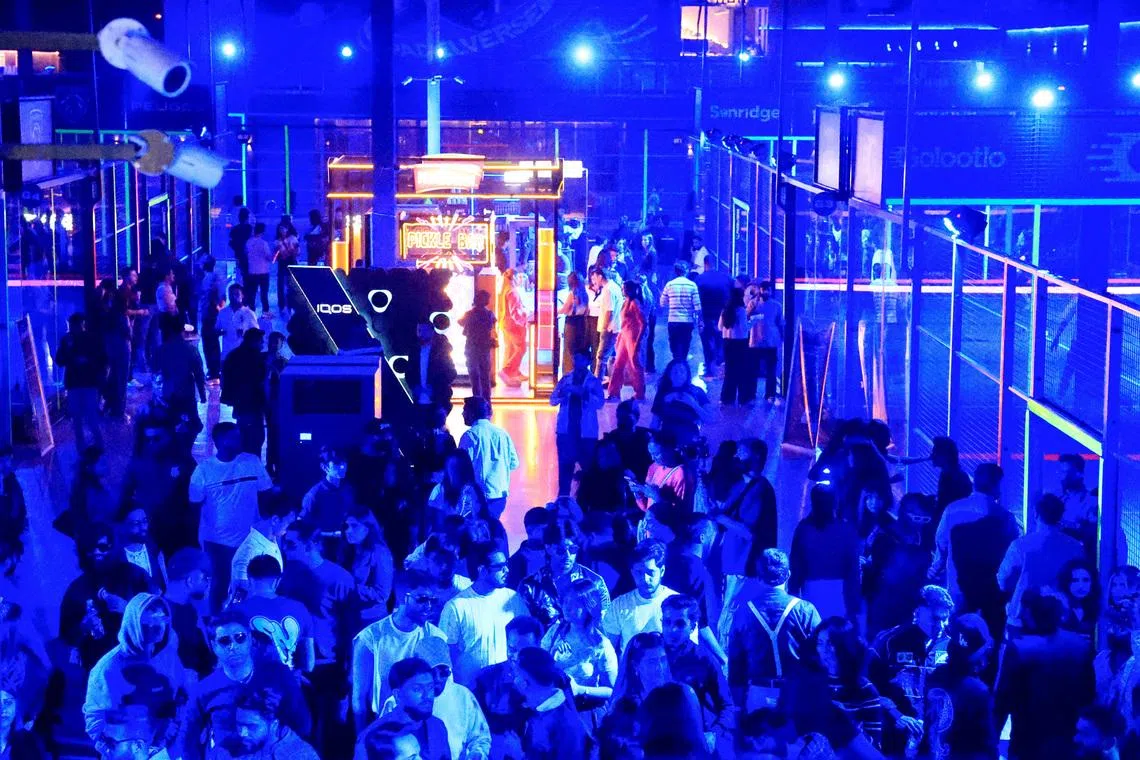
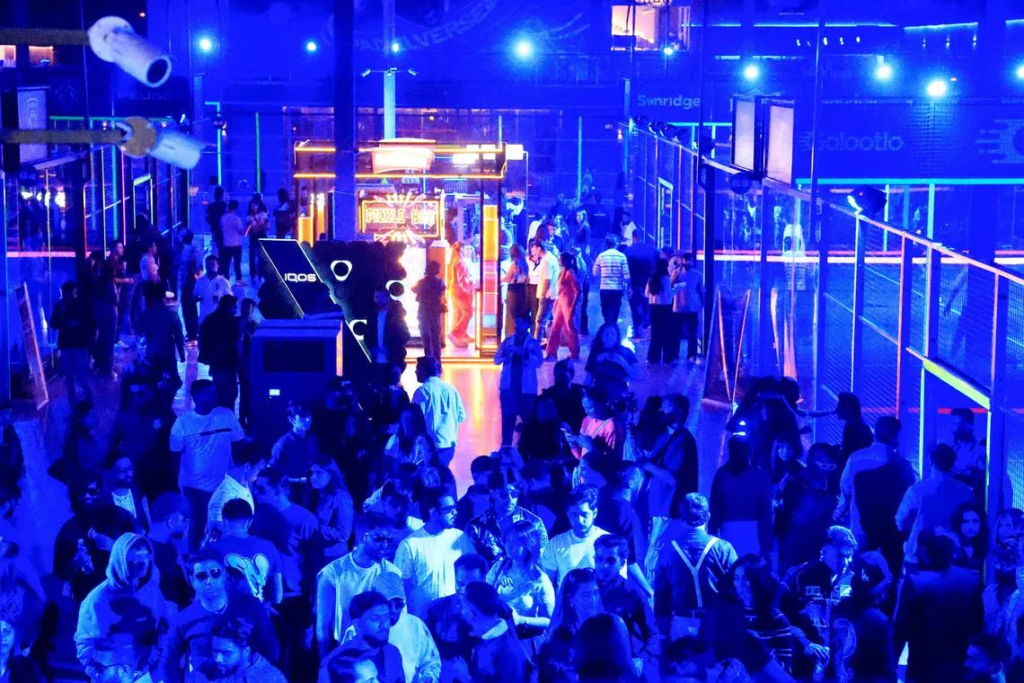
In Karachi, a new kind of nightlife is drawing young crowds under neon lights. There is loud music, dancing and social media posts in real time. What is missing is alcohol. The music ends early. The venues are licensed. Cameras monitor the space.
These “sober raves” reflect a broader shift in how young Pakistanis socialise and how urban nightlife is being reshaped.
What is happening?
A growing number of Gen Z Pakistanis are attending alcohol-free social events held in sports clubs, coffee shops, art galleries and co-working spaces.
Organisers cap attendance, enforce strict no-alcohol policies and often end events by 9pm or 10pm. Some include activities such as padel between dance sets. Women-only nights are also increasing.
The events are visible, documented and publicly promoted, rather than hidden.
Why is alcohol absent?
In Pakistan, alcohol is illegal for Muslims, who make up the vast majority of the population. While private consumption and underground parties have long existed, they carry legal and social risk.
For many young people, sober events offer a way to gather openly without fear of raids, stigma or safety concerns. Organisers often seek local government approval, positioning these gatherings as regulated rather than clandestine.
Is this only a local trend?
No. Globally, younger generations are drinking less. In cities such as London and New York, alcohol-free club nights and coffee raves have become more common. Wellness culture, fitness trends and mental health awareness have contributed to the shift.
In Pakistan, the movement aligns with religious norms while also fitting global patterns. Market data shows strong growth in soft drinks and hot beverages, categories that include coffee and energy drinks, mirroring a rise in non-alcoholic consumption worldwide.
Why are young Pakistanis choosing these events?
Several factors explain the appeal:
Safety and visibility
Underground parties often involve alcohol or drugs and the risk of legal consequences. Regulated sober events reduce uncertainty.
Structured environments
Fixed end times, crowd limits and monitoring systems create predictable conditions.
Social media compatibility
Public, alcohol-free settings make it easier for attendees to post photos and videos without reputational risk.
Affordability of experience over exclusivity
While tickets can cost between Rs3,000 and Rs7,000, the events are marketed as lifestyle experiences rather than secret gatherings.
What role do women-only events play?
Gender norms continue to shape nightlife options. Women-only dance nights and music events provide spaces where attendees can relax without navigating mixed-gender scrutiny.
Early closing times and visible venues make participation easier for women who face family or societal restrictions. These events are framed as cultural, not rebellious.
Are these events replacing traditional nightlife?
Not entirely. Pakistan has never had a mainstream bar culture comparable to many Western cities. Instead, private parties and informal gatherings have filled the gap.
Sober raves represent a formalisation of youth social life. Rather than rejecting religious or legal boundaries, organisers are adapting within them.
As one sociologist noted in reporting on the trend, young Pakistanis are reframing social life rather than moving beyond religious norms.
What does this signal about urban life?
The rise of sober nightlife suggests:
- A demand for safe, visible public spaces
- A shift toward health-conscious socialising
- Greater acceptance of regulated youth culture
- A blending of global lifestyle trends with local values
Karachi, a city of nearly 19 million people, has long struggled with limited recreational infrastructure. Events like these highlight how private organisers are filling gaps in urban social life.
What happens next?
If attendance continues to grow, sober nightlife could become a permanent feature of Pakistan’s urban culture. Expansion into other cities would depend on venue availability, local approvals and sustained demand.
For now, the trend reflects a recalibration rather than a revolution. Young people are not abandoning nightlife. They are redefining it within social, legal and religious boundaries.
In a country where public celebration has often been constrained, that adjustment alone marks a notable shift.